
The journey to successful, sustainable weight loss relies heavily on creating a diet that suits your unique needs, preferences, and lifestyle. Embarking on this journey with exclusively “one-size-fits-all” diet plans has the potential to miss the mark, often leading to short-lived success and subsequent relapse. At Weigh to Wellness LLC, we champion a tailored approach, empowering our clients with the knowledge and tools necessary to design a personalized weight loss diet that delivers long-lasting results and supports overall wellness. In this blog post, we will guide you through the fundamentals of a balanced diet, evaluate popular weight loss diets, offer insights on personalizing your plan, and delve into portion control and mindful eating.
No two individuals are the same – we all have diverse preferences, dietary requirements, and lifestyle factors that require a more nuanced approach to weight loss dieting. Creating an individualized diet plan is crucial for long-term success, as personalization guarantees a more sustainable and enjoyable path to weight management. However, navigating through myriad dietary approaches can be overwhelming, with countless sources offering conflicting information about what works best for weight loss.
At Weigh to Wellness LLC, we believe in a client-centered approach, providing expert guidance, resources, and support to help clients create a weight loss diet that aligns with their unique circumstances. Our mission is to unlock the potential of personalized nutrition to propel you toward lasting, achievable success in your weight loss journey and overall health. So, stay tuned to learn more about the intricacies of personalized diet planning and discover how partnering with Weigh to Wellness LLC can help you craft the perfect diet plan tailored to your specific needs.
Understanding the Principles of a Balanced Diet
1. Essential Nutrients for Weight Loss and Overall Health
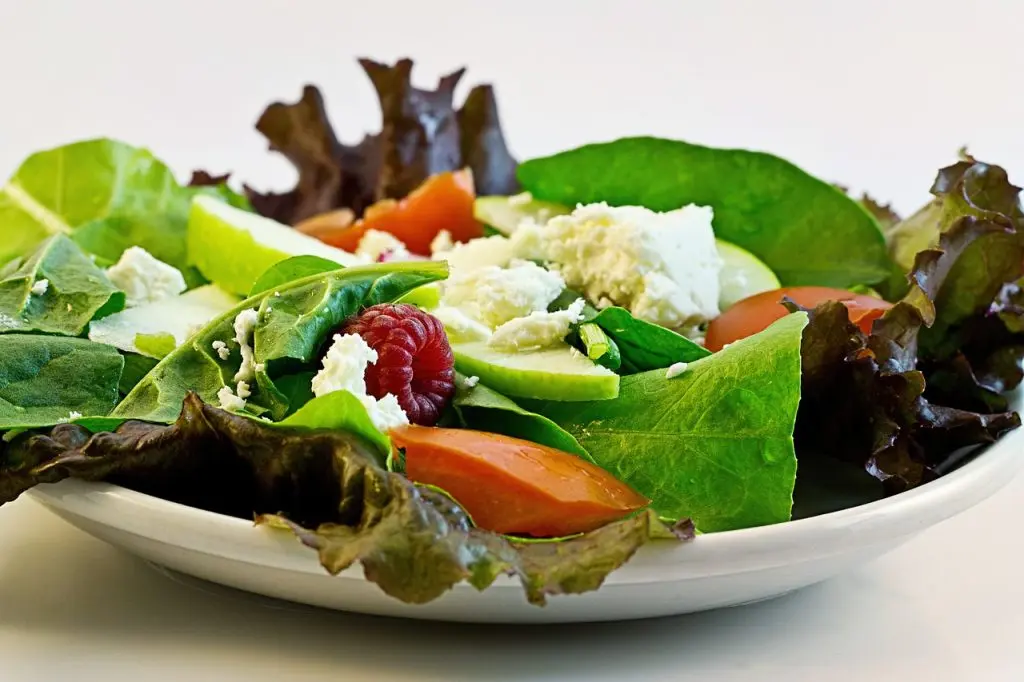
A balanced diet is the foundation of successful weight loss. It must provide adequate nutrients: carbohydrates, proteins, and fats, along with vitamins, minerals, and fiber, which are critical for overall health. A healthy diet should emphasize whole foods like fruits, vegetables, lean proteins, and whole grains while minimizing processed foods, added sugars, and unhealthy fats.
2. Adjusting Energy Intake to Support Weight Loss Goals
To shed those extra pounds, it’s crucial to maintain a caloric deficit – consuming fewer calories than your body requires for everyday functions. Therefore, understanding your personal energy needs and adjusting your diet accordingly will set the stage for effective weight loss.
Popular Weight Loss Diets: Pros, Cons, and Suitability
1. Low-carb diets (e.g., Keto, Atkins, Low-Carb Paleo)
Low-carb diets prioritize protein and fat intake, significantly reducing carbohydrate consumption. These diets may accelerate weight loss and help control blood sugar levels. However, they can be restrictive, and some may struggle with nutrient deficiencies or difficulty sustaining this approach.
2. Low-Fat Diets
Low-fat diets focus on limiting fat intake to promote weight loss. While this approach can reduce calorie consumption, it’s essential to avoid excessive carbohydrate intake from processed food sources. Additionally, some dieters may struggle to obtain adequate essential fatty acids and fat-soluble vitamins.
3. Plant-Based Diets (e.g., Vegetarian, Vegan)
Plant-based diets emphasize plant-derived foods and may exclude animal products entirely (vegan) or allow for limited consumption (vegetarian). These diets can support weight loss and overall health but require careful planning to ensure adequate protein, iron, and vitamin B12 intake.
4. Balanced and Flexible Approaches (e.g., Mediterranean Diet, IIFYM)
Balanced and flexible diets, such as the Mediterranean Diet or “If It Fits Your Macros” (IIFYM), encourage the intake of various food groups and macronutrients to support overall health and weight loss. Typically, these diets are more sustainable and easier to maintain but may require more conscious tracking and decision-making around food choices.
Personalizing Your Weight Loss Plan
1. Identifying Your Unique Needs and Preferences
To create a personalized diet plan, it’s crucial to consider factors such as your individual preferences, dietary restrictions, and lifestyle. Assess your current eating habits and determine which healthy foods you enjoy, whether you have specific allergies or restrictions, and your daily routines influencing your meal times and food choices.
2. Setting Realistic Goals and Monitoring Progress
An individualized weight loss plan should include realistic, achievable goals. Monitoring your progress – such as through regular weigh-ins or tracking food intake – can provide insight into the effectiveness of your personalized plan, allowing for any necessary adjustments.
Portion Control and Mindful Eating
1. Balancing Meal Sizes to Manage Hunger and Satiety
Practicing portion control can help prevent overeating and support weight loss by encouraging appropriate energy intake. Using smaller plates, pre-portioning meals, and paying attention to serving sizes can all contribute to a balanced food intake.
2. Developing a Mindful Eating Practice
Mindful eating involves being fully present and focused during meals, savoring each bite, and tuning into hunger and fullness cues. This practice can help reduce overeating, emotional eating, and other unhealthy eating behaviors while also fostering a more positive relationship with food.
Weigh to Wellness LLC: Professional Guidance in Tailoring Your Perfect Diet
At Weigh to Wellness LLC, our team of nutrition experts and weight loss professionals can support you in developing a personalized weight loss plan that caters to your unique needs and preferences. From assessing your individual energy requirements to crafting a tailored nutritional strategy, we provide comprehensive guidance throughout your journey toward reaching and maintaining your weight loss goals.
Conclusion
Designing a personalized weight loss diet is a critical factor in achieving lasting success on your journey toward a healthier lifestyle. By understanding the principles of a balanced diet, evaluating various popular diets, tailoring your plan based on individual needs and preferences, and practicing portion control and mindful eating, you can create a sustainable diet that yields long-lasting results.
Weigh to Wellness LLC is here to support and guide you every step of the way. Our client-centered approach ensures you receive the tools, resources, and professional expertise you need to tailor your perfect diet, overcome obstacles, and achieve your weight loss goals. Don’t let the complexities of diet planning overwhelm you – schedule an appointment at our weight loss clinic in Birmingham, AL, today to embark on a personalized path towards a healthier, happier you.