
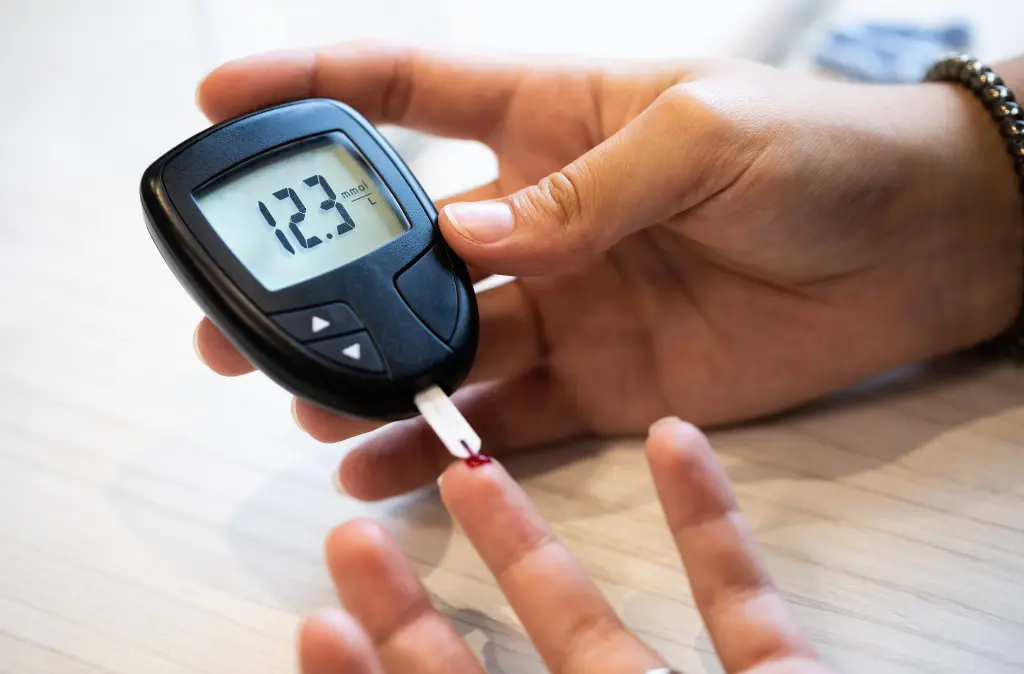
Losing weight lowers blood sugar, reduces insulin resistance, and can help you take control of type 2 diabetes. This Diabetes Month guide explains the connection between weight and blood sugar, how much weight loss makes a difference, and how a medically supervised program in Birmingham, AL supports lasting results.
Why Weight Loss Matters for Blood Sugar During Diabetes Month
November is National Diabetes Month, and it offers a clear reason to focus on your health. Weight loss directly improves blood sugar for many people living with type 2 diabetes or prediabetes. Extra body fat, especially around the abdomen, makes your cells less responsive to insulin. When your cells resist insulin, glucose builds up in your blood instead of fueling your body.
At Weigh to Wellness in Birmingham, AL, the focus goes beyond the number on the scale. Your health is more than your outside appearance. Physical results are a pleasant outcome of becoming healthier. For patients managing diabetes and related conditions, losing weight is one of the most effective steps toward better blood sugar control.
How Does Weight Loss Lower Blood Sugar?
Weight loss improves blood sugar through several connected changes in your body.
When you lose excess fat, your cells become more sensitive to insulin. This means insulin works more effectively to move glucose out of your bloodstream and into your cells. Your fasting blood sugar drops. Your A1C often improves. Many patients find they need less medication to keep their numbers in a healthy range.
Losing weight also reduces fat stored in your liver and pancreas. Your liver plays a major role in releasing and storing glucose. Your pancreas produces insulin. Reducing fat in these organs helps both function the way they should. The result is steadier blood sugar throughout the day.
Weight loss lowers inflammation in your body as well. Chronic inflammation worsens insulin resistance. As inflammation decreases, your body handles glucose more efficiently.
How Much Weight Loss Improves Blood Sugar?
You do not need to lose a large amount of weight to see results. Research shows that losing 5 to 10 percent of your body weight produces meaningful improvements in blood sugar and insulin sensitivity. For someone who weighs 200 pounds, that is 10 to 20 pounds.
Even modest weight loss reduces your risk of progressing from prediabetes to type 2 diabetes. For people already diagnosed, losing weight can lower A1C levels and reduce reliance on medication. Some people with early type 2 diabetes reach remission after significant, sustained weight loss.
The key word is sustained. Quick weight loss followed by regaining the pounds, known as yo-yo dieting, undermines your progress. Weigh to Wellness builds programs around long-term goals so your blood sugar improvements last.
Weight Loss and Other Obesity-Related Conditions
Diabetes rarely travels alone. Excess weight contributes to a group of health conditions that often appear together. Losing weight helps with more than blood sugar.
High blood pressure often improves as you lose weight, easing strain on your heart. Hyperlipidemia, or high cholesterol, responds to weight loss as well. Sleep apnea frequently improves when you shed pounds, which leads to better rest and more energy. Osteoarthritis pain decreases because less weight presses on your joints.
One Weigh to Wellness patient started the program to reduce knee pain and avoid surgery. After losing 41 pounds, their knee pain dropped by about 90 percent. Another patient came in with unsafe blood pressure, rapid weight gain, and high cholesterol. The program improved their overall health and gave them a more slender body as an added benefit.
These connected conditions are why Weigh to Wellness treats weight management as part of your whole health picture, not a single goal in isolation.
How a Medically Supervised Program Supports Blood Sugar Goals
Managing diabetes while losing weight requires more than a generic diet. Changes in your eating habits affect your blood sugar and any medications you take. This is where medical supervision matters.
Weigh to Wellness is led by board-certified professionals, including Dr. Timothy H. Real, who is certified by the American Board of Obesity Medicine. The team brings over 25 years of experience in weight management. A physician, registered dietitians, nutritionists, and medical assistants work together on your plan.
Before building your program, the team conducts the research and testing needed to understand your individual needs. This matters for patients with diabetes, because your plan must account for your current blood sugar, medications, and health conditions. There is no one size fits all approach.
What Does a Personalized Plan Look Like?
Your plan reflects your body and your lifestyle. For one person, that might mean a Very Low Calorie Diet paired with B12 shots and specialized foods and beverages. For another, it might mean healthy snack options and guidance on building an exercise routine.
B12 shots support energy levels during weight loss, which helps you stay active and consistent. Meal replacements and healthy food options make it easier to follow your plan without guessing. One-on-one support keeps you accountable and gives you a place to ask questions along the way.
Patients consistently mention the supportive, non-judgmental environment. One patient said they never felt embarrassed or judged, and that the staff stayed helpful and positive throughout. That support helps you stay the course when motivation dips.
Taking the First Step in Birmingham, AL
Diabetes Month is a reminder to act on your health. Lowering your blood sugar through weight loss is achievable, and you do not have to figure it out on your own. The team at Weigh to Wellness partners with each patient to develop a treatment plan focused on weight loss and reducing the health risks tied to obesity.
Whether you want to lose a significant amount of weight or only a few pounds, a tailored program helps you set long-term goals and avoid cycles of yo-yo dieting. Health, wellness, and weight loss are a continuous journey toward a new lifestyle of well-being and confidence.
Frequently Asked Questions
Can losing weight reverse type 2 diabetes?
Significant, sustained weight loss can lead to remission of type 2 diabetes for some people, especially those diagnosed recently. Results vary by individual, which is why medical supervision and a personalized plan give you the best chance at lasting improvement.
How do B12 shots help with weight loss?
B12 shots support energy and help you stay active during your weight loss program. Weigh to Wellness uses them as part of certain plans, often alongside a Very Low Calorie Diet and specialized foods.
Is medical weight loss safe for people with diabetes?
Yes, when supervised by qualified professionals. At Weigh to Wellness, a board-certified physician and dietitians build your plan around your blood sugar, medications, and health conditions to keep your weight loss safe and effective.
How much weight do I need to lose to improve my blood sugar?
Losing 5 to 10 percent of your body weight produces meaningful improvements in blood sugar and insulin sensitivity. Even modest, steady weight loss lowers your risk and can reduce your reliance on medication.
Take control of your health this Diabetes Month. Weigh to Wellness in Birmingham, AL offers personalized weight loss programs, medical weight loss supervision and maintenance, tailored diet plans, B12 shots, and one-on-one support from a caring team. Let us help you get healthier, happier, and lighter while improving your blood sugar for the long term.